
For Forests of the World, the UN Climate Conference COP30 is a particularly significant summit this year. Not only because reaching agreement on concrete climate action is becoming increasingly urgent at the global level, but also because the 2025 climate conference is already being referred to as the “Forest COP.”
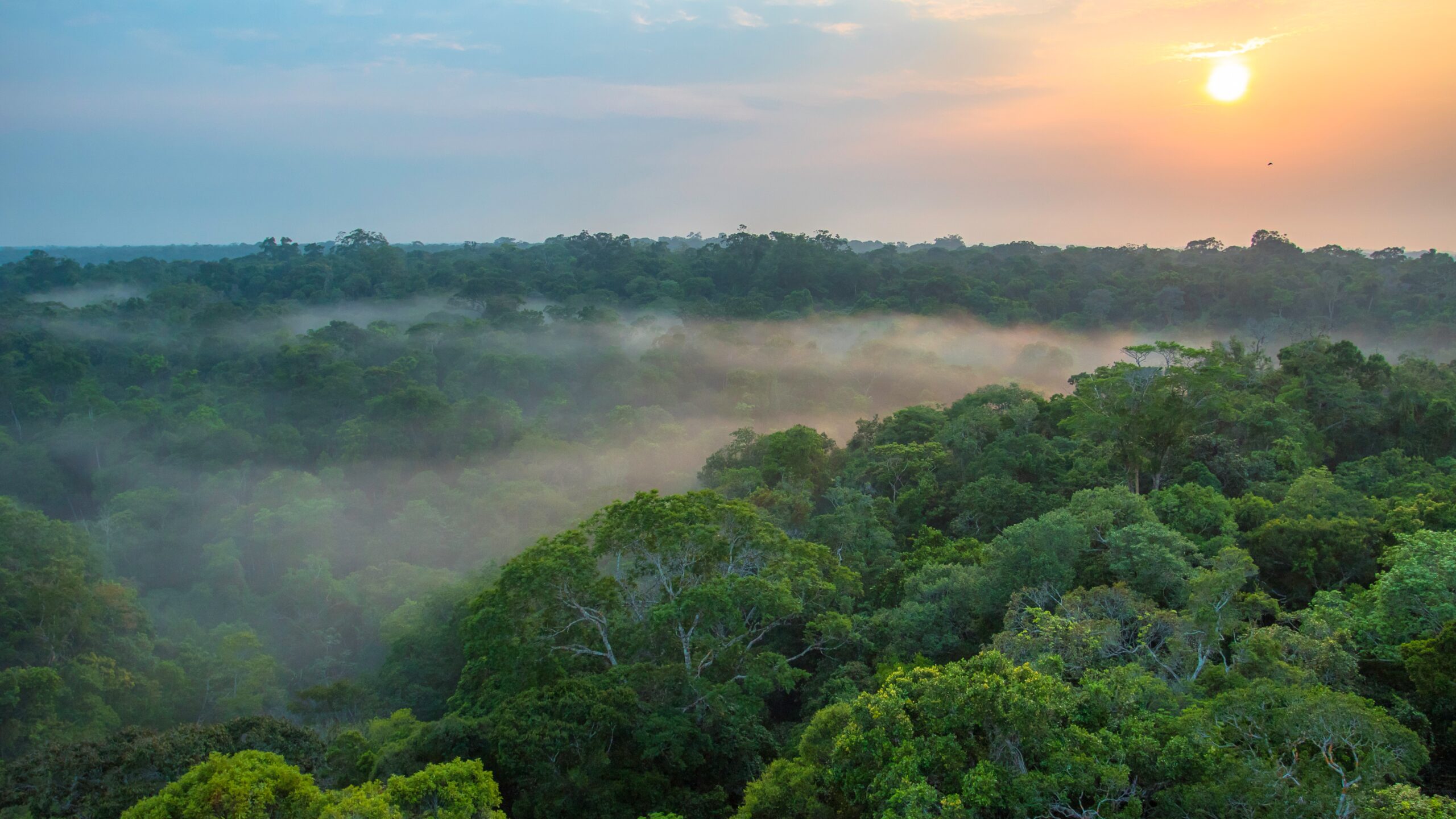
This is due in part to the conference’s location in the Amazon region, in Belém, Brazil, and in part to the Brazilian presidency’s intention to place greater emphasis on forest ecosystems. Forests play a crucial role in climate mitigation, while also being home to the majority of the world’s biodiversity and thousands of Indigenous Peoples and forest-dependent communities.
When Forests of the World participates in COP30 this year, our focus will be on a number of key areas that are all vital to the future of the world’s forests.
Indigenous Peoples at the Centre
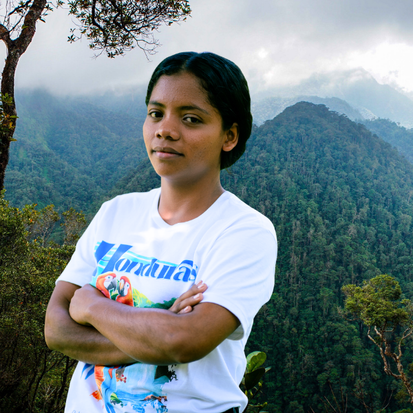
A particularly important priority for Forests of the World is supporting the many Indigenous Peoples and local communities participating in the conference. Indigenous Peoples’ role in forest protection is expected to be a key highlight of the negotiations. In fact, Brazil aims to set a record for Indigenous participation at COP30, with around 3,000 representatives from across the world—1,000 of whom are expected to take part in the official negotiations.
Indigenous Peoples and forest-dependent local communities will call for a stronger voice in climate policy, grounded in their traditional knowledge and territorial rights.

Climate and Biodiversity – Interlinked Crises
Another area that Forests of the World will follow closely is the integration of climate and biodiversity considerations. The negotiations are expected to place strong emphasis on the crucial role of biodiversity in achieving climate resilience. Key themes will include aligning climate and biodiversity goals and promoting nature-based solutions.
Forests of the World will work to ensure that the interconnected nature of these crises is clearly highlighted at COP30. While ecosystem destruction exacerbates climate change by releasing large amounts of stored carbon, climate change in turn accelerates biodiversity loss. It is therefore urgent to identify integrated, systemic solutions that address both crises through more sustainable and resilient approaches.
A New Model for Climate Finance
Finally, as host country, Brazil has launched the Tropical Forests Forever Fund (TFFF). The aim of the fund is to make the protection of tropical forests economically attractive, enabling it to compete with activities that drive deforestation. The idea builds on the principle that forest conservation mechanisms typically pay to avoid deforestation—usually based on calculations of the amount of carbon that has not been released into the atmosphere because trees remain standing. With the TFFF, a new model for climate finance is introduced—one that directly recognises and rewards the economic value of the ecosystem services provided by forests.
The fund is expected to be launched at COP30 and currently involves 12 countries, with a collective target of mobilising USD 125 billion for tropical forest conservation. Forests of the World looks forward to the launch of the fund and will advocate strongly for active contributions—particularly from countries in the Global North.
Already, 25% of the world’s forests have been destroyed. This makes it imperative to focus all efforts on protecting the approximately 4 billion hectares of forest that remain, of which less than 40% are considered intact.
COP30 will be a defining moment for the world’s forests. Courage, action, and shared responsibility are now required if we are to safeguard the climate, biodiversity, and the people who live in and depend on forests.
Read our articles
Skovens fremtid bliver ofte afgjort udenfor skoven
Danmark har brug for en Skovlov med mere plads til vild natur
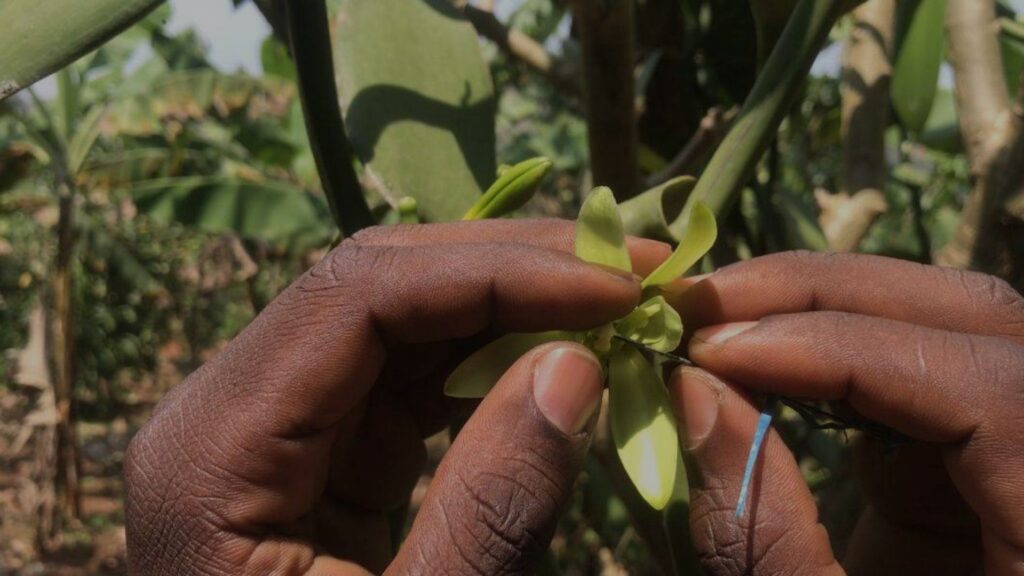
Økologisk succes: Ugandas vaniljebønder droppede kemien og fordoblede deres indkomst
Anders Morten Christoffersen træder tilbage som forperson for Verdens Skove